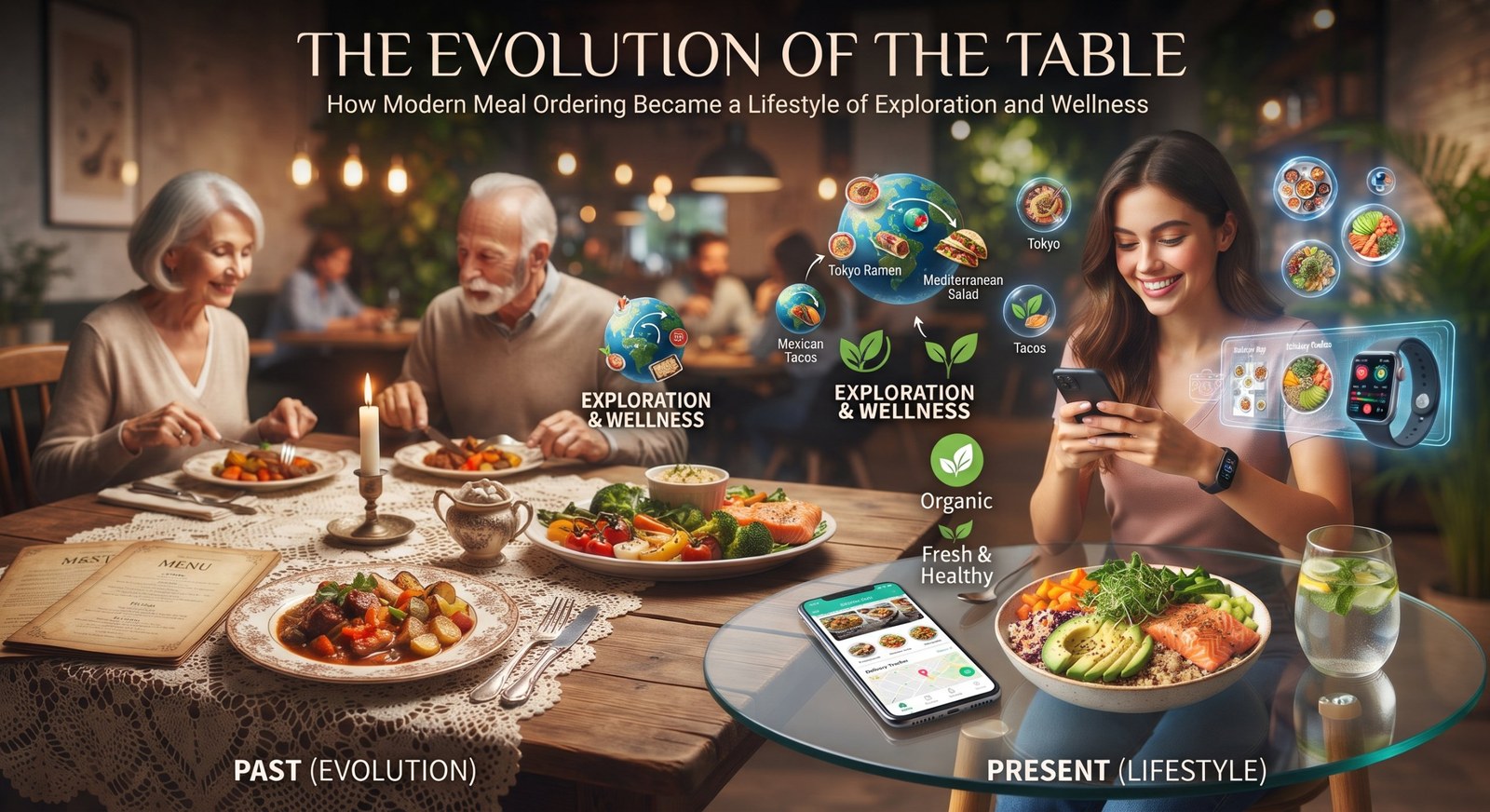
The evolution of the table: how meal ordering became a lifestyle.
Takeout stopped being a fallback plan. Three shifts — adventurous palates, functional nutrition and ordering in as self-care — turned it into something people choose on purpose, and gave restaurants a harder order to get right.
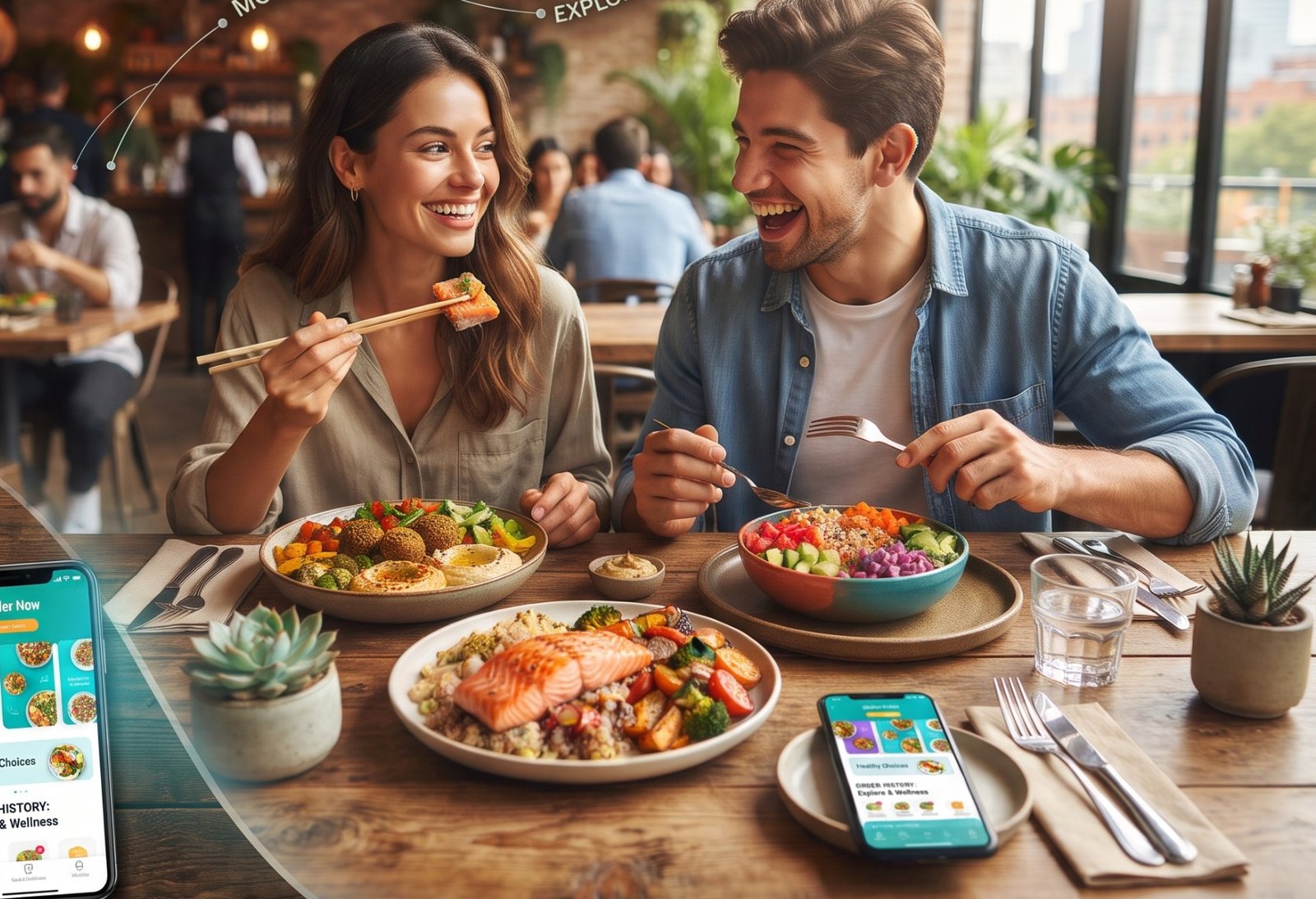
Walk into a busy neighbourhood bistro on a Tuesday evening and the scene looks nothing like it did a decade ago. There are still diners enjoying the hum of the dining room — but near the host stand there is a steady stream of people collecting neatly packed, chef-made meals to eat at home. Miles away, another kitchen is working through a queue of digital orders for globally inspired bowls and adaptogenic drinks.
Takeout is no longer the fallback for nights when the fridge is empty. It has matured into a deliberate lifestyle choice, shaped by three shifts: an adventurous appetite for new cuisines, an uncompromising demand for health-conscious ingredients, and the rise of ordering in as a mindful daily routine.
01 · The culinary passport
Gone are the days when ordering in meant a binary choice between standard pizza and heavy takeout fare. Fuelled by global connectivity, travel and food media, diners have developed genuinely adventurous palates.
People are no longer just looking to eat out. They are looking to explore. Regional flavours that were once hard to find — bold West African stews, fragrant Southeast Asian street food, modern Middle Eastern mezze, plant-based fusion — are finding large digital audiences.
Ordering platforms and independent restaurants alike are leaning into that curiosity. Dinner has become a chance to travel the world from the dining table, turning an ordinary Tuesday into a sensory experience.
02 · Wellness meets convenience
Convenience and health used to be treated as opposing forces: ordering food meant trading nutrition for speed. That narrative has flipped entirely.
Diners now treat food as functional fuel, and they expect their takeout to reflect it. Demand for clean, nutrient-dense ingredients has reshaped menus across the board. The orders coming in increasingly feature:
- +Whole, unprocessed foods. Grain bowls, pasture-raised proteins and a heavy reliance on seasonal, local produce.
- +Gut-healthy and functional additions. Fermented ingredients, adaptogenic drinks, bone broths and superfood dressings.
- +Dietary flexibility. Gluten-free, keto, paleo and plant-based customisation, without compromising flavour or presentation.
Healthy eating is no longer framed as a restrictive diet. It is an empowering choice. When people order food today, they want to feel energised and nourished, not sluggish.
03 · Takeout as a lifestyle
Perhaps the most significant change is cultural. Takeout has shed its old stigma. It is no longer seen as a lazy substitute for cooking, but as a deliberate choice that supports a busy life.
Time is the scarcest commodity most people have. Reliable digital ordering — increasingly including voice AI agents that take an order with precision — lets local restaurants deliver fresh, made-to-order food right on schedule. That hands time back to the customer.
Instead of planning, shopping, cooking and washing up, people are spending that reclaimed hour with family, on a hobby, or simply decompressing after a long day. Done well — hot food, accurate order, sustainable packaging — takeout becomes a small act of self-care that also supports local kitchens.
When it is executed well, takeout stops being a compromise and becomes a form of self-care.
What this asks of the phone line
There is an operational cost buried in all of this, and it lands squarely on the restaurant. An adventurous, health-conscious customer is a more demanding one to serve — not because they are difficult, but because their order carries more information.
- +More modifiers per order: swap the grain, hold the dairy, dressing on the side.
- +Allergy and dietary notes that have to reach the ticket word for word, every time.
- +Questions an app checkbox cannot answer — what is in the dressing, is the broth vegetarian, how spicy is spicy.
- +Group orders where four people each want something built a different way.
Those are exactly the orders that still come in by phone, because the caller does not trust a dropdown to carry the detail. And they are exactly the orders a rushed line cook answering on the third ring is most likely to get wrong.
If the rest of the ordering journey has become frictionless and precise, the call cannot be the one place where accuracy is left to whoever happens to pick up.
Frictionless and mindful
The modern meal ordering revolution proves we do not have to choose between convenience, health and culinary excitement. By combining a passion for global flavours with a commitment to nutrition and seamless technology, the industry has turned takeout into something close to an art form.
Whether you are trying an unfamiliar cuisine for the first time or ordering a favourite grain bowl for a quiet night in, the way we order food is smarter, healthier and more interesting than it has ever been. The restaurants that win the next decade will be the ones whose every channel — app, counter and phone line — is equally ready for it.
An agent that gets the complicated order right.
Decible answers every call instantly, even at peak, and takes the order end to end — modifications, allergies, spice levels, dietary swaps and pickup timing — then puts it on the ticket exactly as the caller said it.
Your team stays with the guests in front of them. The phone stops being the weakest link in an otherwise excellent experience.