Small space, big impact: the rise of the trendy hole-in-the-wall.
A tiny dining room used to be a hard ceiling on what a restaurant could earn. Modern ordering turned that constraint into an operating model — and left exactly one channel behind.
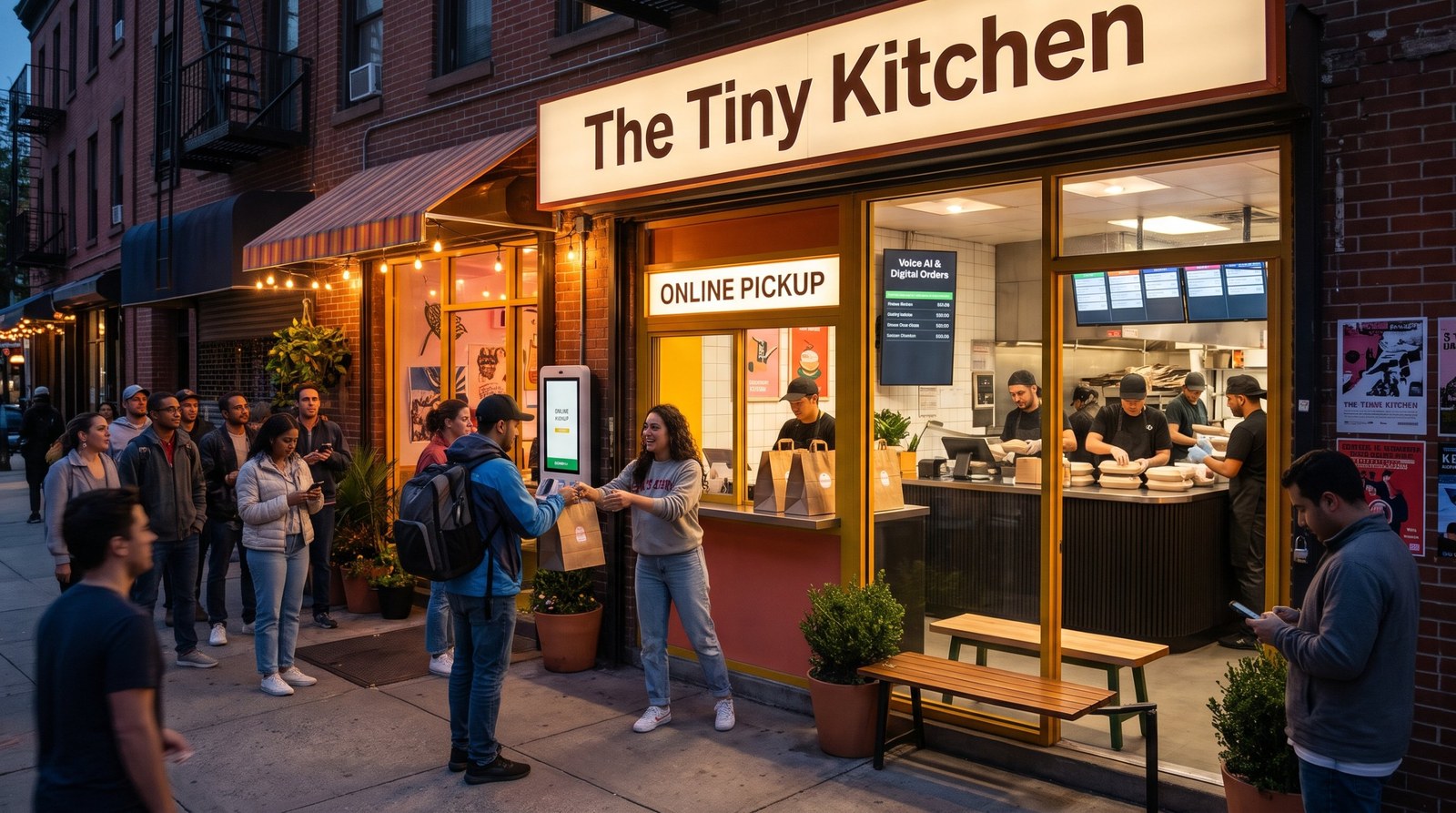
For decades the classic hole-in-the-wall was defined by its contradictions. Extraordinary, authentic food, served out of tight seating, long waits and a phone line that rang endlessly through the dinner rush. Running one meant a constant fight against physical limits: a tiny dining room put a hard cap on the night’s revenue, no matter how good the food was or how long the queue got.
That cap is coming off. The rise of digital ordering and convenient pickup has redefined what it means to be a small food business. Instead of forcing neighbourhood gems to take on a bigger footprint or fold under rising overhead, modern ordering has turned the spatial constraint into an operational advantage.
Reimagining the front-of-house bottleneck
In a traditional restaurant, dining space dictates earning potential. A ten-table spot can only turn over so many covers in a service, and every extra customer needs a chair, a server and a few square feet nobody has.
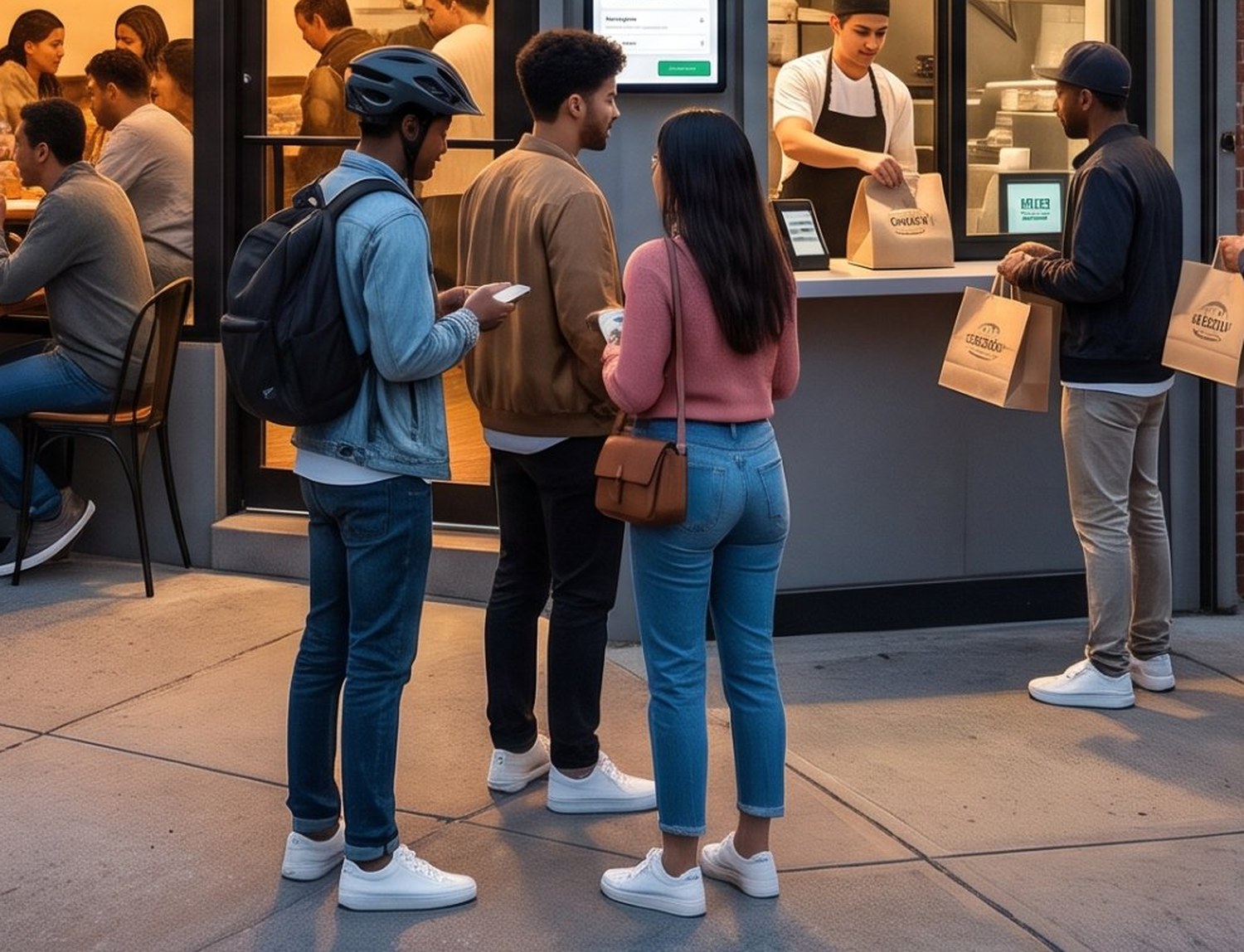
By leaning into pickup and online ordering, small eateries break free of their floor plan. The sidewalk and the customer’s own dining table become an extension of the seating capacity. With takeout now treated as a deliberate choice rather than a fallback, a kitchen can serve hundreds of diners a night without adding a single chair.
Maxing out efficiency and profitability
A compact space built around streamlined pickup lets an operator run remarkably lean:
- +Leaner labour and lower overhead. No large front-of-house team and no sprawling dining room means payroll and utilities drop sharply.
- +Precision in the kitchen. Digital integration — automated ordering tools and voice AI phone agents included — takes human error out of order entry. Tickets arrive exact, which cuts waste and rework.
- +Faster turnaround. Workflows can be sequenced like an assembly line, so hot food leaves the counter on schedule rather than whenever the floor allows.
High throughput on low overhead goes straight to the margin. That is what lets an independent owner hold competitive prices and still improve the bottom line — the combination that used to require scale.
Staying small, authentic and trendy
Perhaps the biggest win is that a small restaurant no longer has to trade away its soul to grow.
Growth used to mean debt: a bigger venue, a bigger team, and the slow dilution of the intimate, specific charm that made the place worth queuing for. Ordering convenience lets owners double down on what they are actually good at instead — cooking a short, focused menu extremely well.
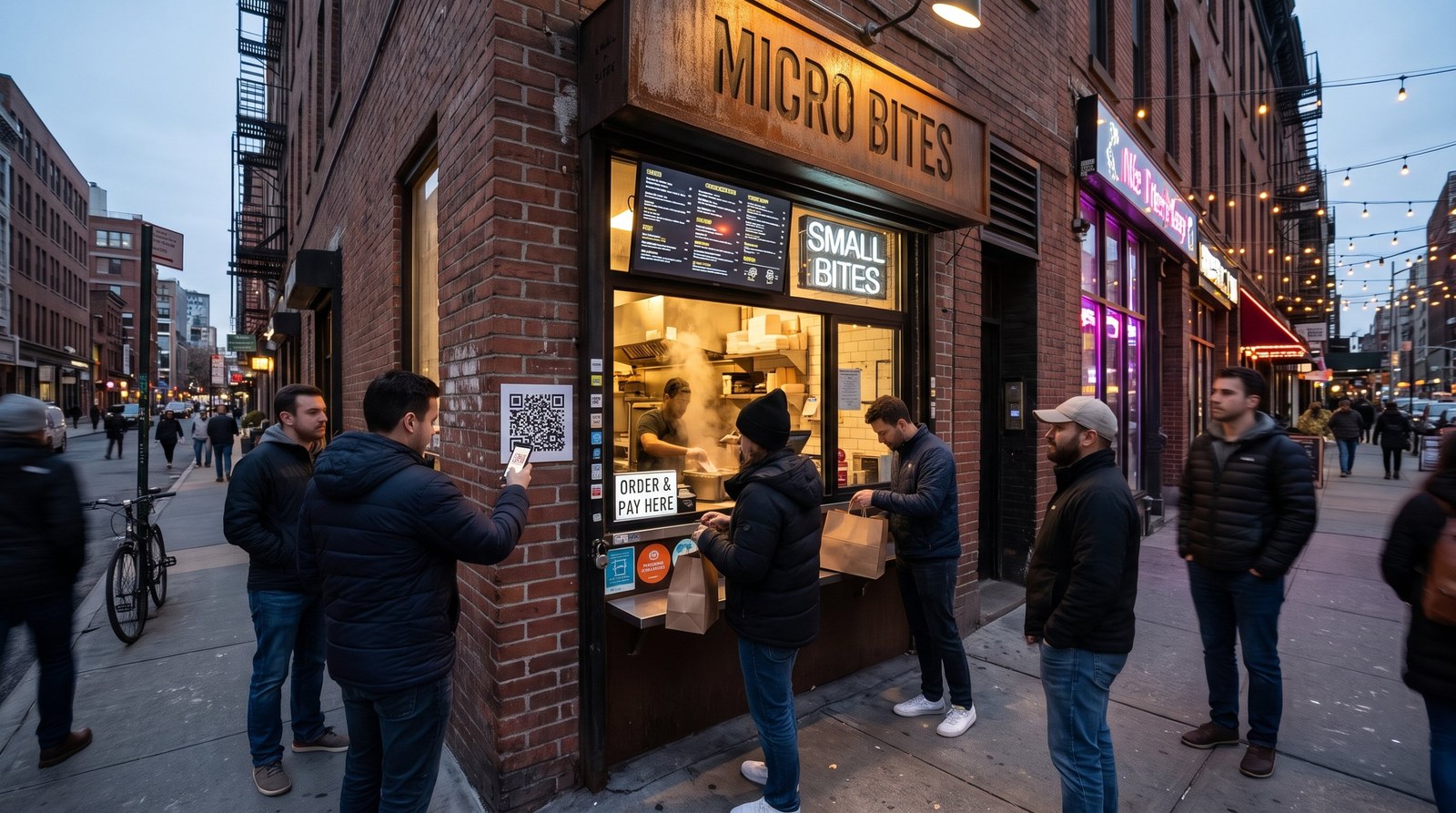
Being a small, trendy spot is no longer a financial vulnerability. It is a brand identity. A sleek pickup counter, a wall of good reviews and a steady stream of regulars let a tiny kitchen build a following out of all proportion to its square footage.
You no longer need a large footprint to build a profitable culinary powerhouse. You need a small one that never drops an order.
The part that does not scale on its own
There is one gap in the lean model, and it is easy to miss until the volume arrives. Every other channel in this setup has been automated. Online orders arrive as structured tickets. The counter has a screen. The kitchen has a sequence. The phone has none of that.
In a kitchen with no host and no floor staff, there is nobody whose job is to answer it. So a ringing phone becomes a choice between two bad options: let it ring, or pull the one person assembling orders off the line to take it. The first loses the order quietly. The second slows the throughput the whole model depends on.
- +Callers are the ones with the awkward request — an allergy, a large pickup, a change to an order already placed.
- +A missed call leaves no record, so it never shows up in the numbers the way a cancelled online order does.
- +At peak, which is exactly when the phone rings most, the cost of answering it is highest.
A voice agent closes that gap the same way the ordering screen closed the counter’s: it answers on the first ring every time, takes the order with the detail intact, and puts it on the ticket in the same structured form as everything else. The line keeps moving, and nothing arrives by a channel the kitchen cannot see.
Small footprint, no ceiling
The hole-in-the-wall was never held back by its cooking. It was held back by the number of chairs it could fit and the number of orders one pair of hands could take. Both of those limits are now engineering problems rather than property problems.
By turning convenience into an operational advantage, today’s small kitchens are proving a point that would have sounded absurd a decade ago: the smallest room on the block can run the busiest service on it.
The phone, finally on the same system as everything else.
Decible answers every call instantly, even at peak, and takes the order end to end — items, modifications, allergies, pickup timing — then writes it to the ticket in the same structured form as your online orders.
No extra headcount, no extra square footage. The one person on the line stays on the line.